
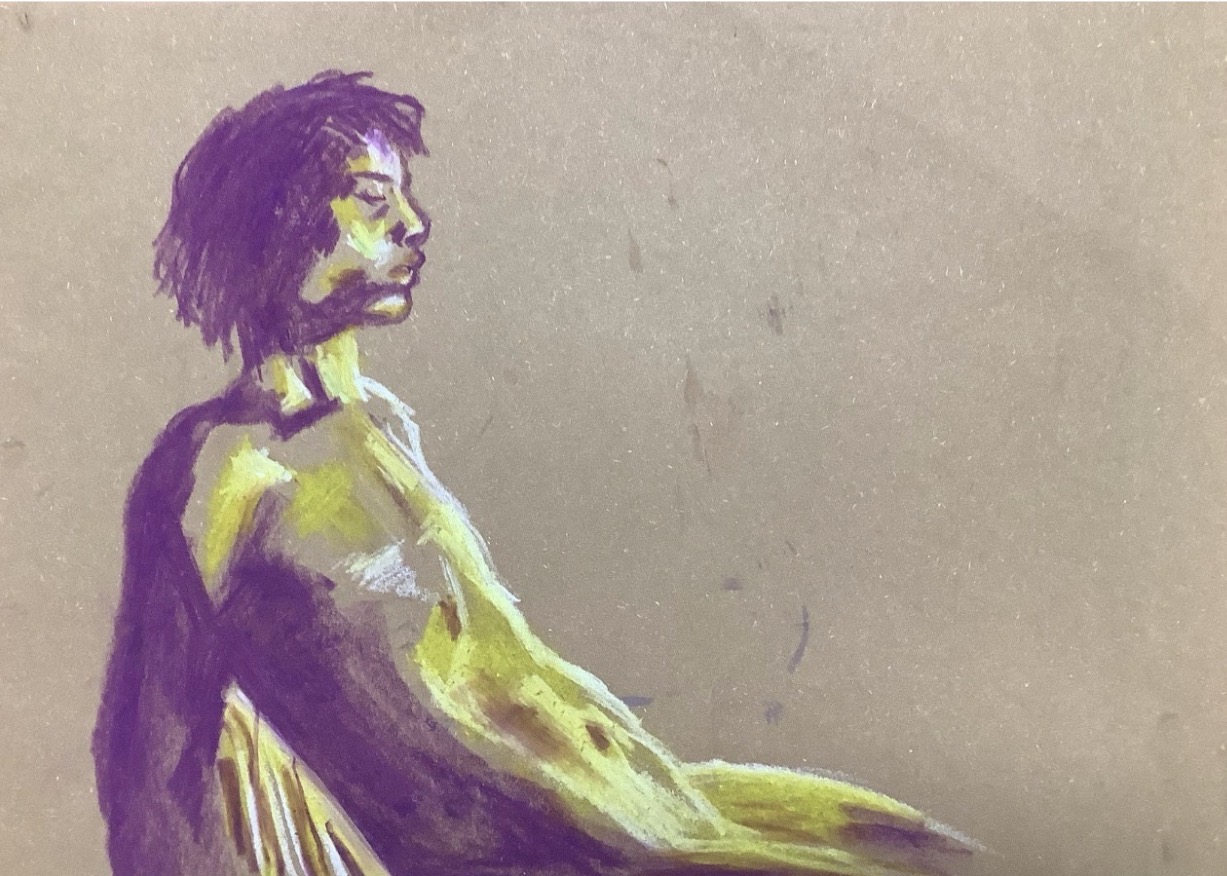
We love the story of the prodigy. The violin in the toddler’s hands. The calculus solved before breakfast. But real genius almost never works that way. It does not strike the eager, the groomed, the child who has been force fed Mozart since the womb. Instead, genius hides in the most distant corner of the family and waits for everyone to stop looking.
Consider the middle child. Not the anxious firstborn, not the beloved baby. The one in the middle who learns early that no one is watching. That child discovers something strange: freedom. While the older sibling burns out on revision and the younger one performs for pocket money, the middle child sits on the bedroom floor imagining. Not to impress anyone. Simply to see what a mind is for. That is where genius begins, in the privacy of being overlooked. The overlooked have no reputation to protect, so they risk the stupid question, the ugly sketch, the strange idea that might just work.
The skip happens because attention kills the raw nerve of invention. A watched child learns to perform. An unwatched child learns to wonder. Performance pleases the crowd. Wonder pleases no one, not at first. But wonder is the only thing that has ever changed the world. The child who builds a fort from old curtains is learning architecture. The child who asks why the moon follows the car is learning physics. The parent who interrupts either one is learning nothing.
This is the algebra of empty chairs. Genius flows to the seat left unfilled. It bypasses the child who was given everything and lands on the child who was given space. Not neglect. Space. There is a difference. One crushes. The other allows the mind to develop its own hinges, its own odd angles of attack. A crushed child becomes a competent adult. A spaced child becomes a strange one, and strangeness is the seedbed of every genuine breakthrough.
So if you have children and one of them spends hours staring at clouds or lining up stones in the garden, do not intervene. Do not schedule lessons. Do not get annoyed when they have no interest in attending yet another cake-cutting. Do not ask what they are making. The moment you ask, you have made it yours. Just leave the door open. Leave the biscuits on a plate and walk away. Genius is shy. It arrives only when the applause has stopped and the room is finally, mercifully, quiet. And by then, it is already too late to claim the credit. That is the point. Genius does not belong to the parent who pushed. It belongs to the child who was left alone long enough to become themselves.

